Windows 10 Personalization Not Working
The classic Personalization window or panel can be opened in Windows 10 by following the directions mentioned in one of the methods mentioned below. NOTE: We are pretty sure that developers will soon come up with a solution to add the classic Personalization window to Windows 10. Kuro to kin no akanai kagi breadmasterlee 1. Method 1 of 4. Open Windows 7/8 like Personalization window in.

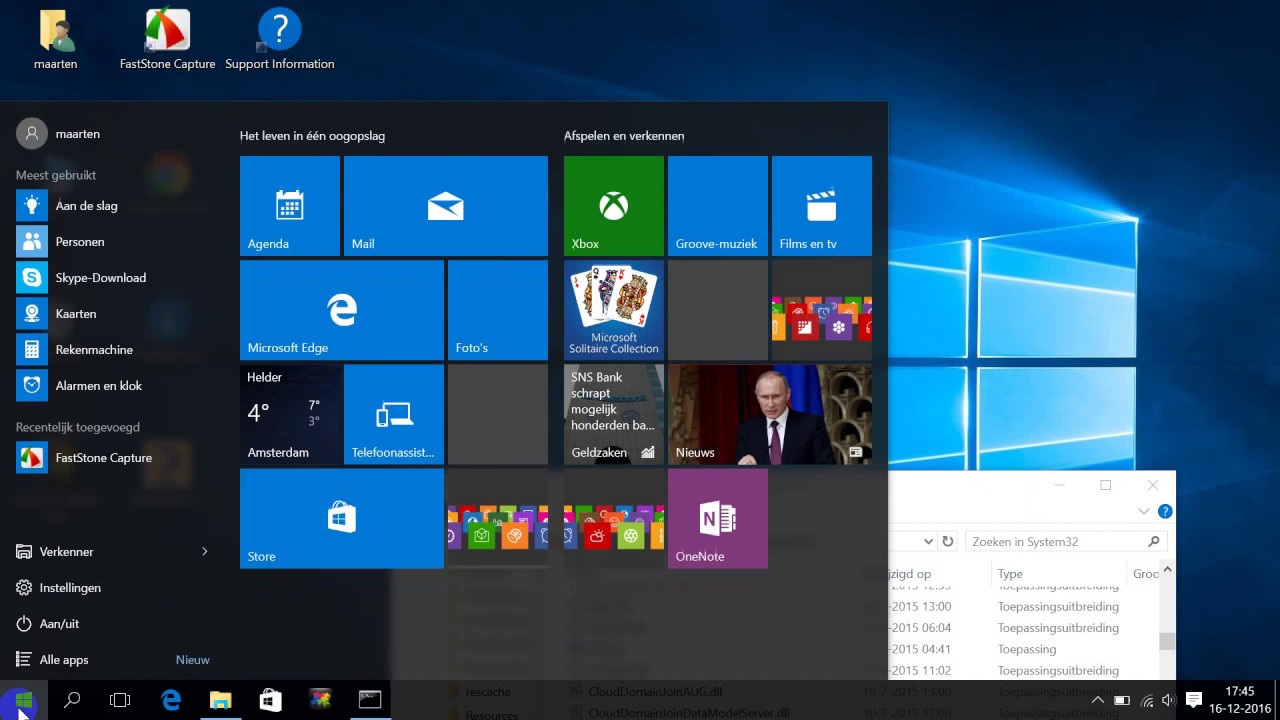
Personalization Not Working On Windows 10
Hello guys,I recently upgraded from windows 8.1 to windows 10 on my laptop and I noticed few annoying things. When I right click on my desktop and select personalize, it gives me some weird message. It acts as If am not an admin which I am on my laptop!Also, From run when I type 'calc' it gives me the application is missing! Is this my design? Did Microsoft changed these things? I was an Insider and I don't think I had issues with Release preview. Please shed some thoughts on what I am missinghere.Am planning to do a clean install from ISO booting from USB if this continues.
The current version of OS I got is having app compatibility issues as well, sadly it didn't reported any of those before upgrading.Thanks,Sree. Yes, Settings from Start-Personalisation work just fine. The issue is only when I right click on my Desktop and choose 'Personalize'. The Error I get when I am trying from desktop isms-settings:personalization-backgroundContentThe operating system cannot run ms-settings:personalization-background.Coming to Calc from Run, Yeah.that's what my expectation is. Windows Should open Modern calc App. Yes, I see calculator listed in Apps&features.
But below is the error message I get when I try to invoke calc from run.-calc.exe - Ordinal Not Found-The ordinal 581 could not be located in the dynamic link library C:ProgramDataApp-VXXXXXXXXXX-XXXXXXXXXX-XXXXXXXXX-XXXXXXXXX-XXX-8RootVFSSystemieframe.dll.-OK.
RECOMMENDED:UPDATE: These methods don’t work in version 1703 and later versions of Windows 10. Refer to our guide for updated method.In Windows 7 and Windows 8/8.1, when you right-click on desktop and click Personalize option, the Personalization window would launch with options to change theme, wallpaper, screen saver, sound scheme, and window border color.
It addition to those options, it was possible to quickly navigate to other areas of the to change mouse pointer, change desktop icons, and Ease of Access Center right from the Personalization window.However, in Windows 10, Microsoft wants users to use the updated and redesigned Settings app to personalize the operating system. As you have likely discovered by now, the Settings app is nothing but the touch-friendly version of the Control Panel and offers easy access to all settings and options. In Windows 10, when you click or tap the Personalize option in the desktop context menu (right-click menu), you will see the Personalization section of the Settings app instead of the classic Personalization window.While the Personalization section of Settings app allows you to change desktop background, taskbar and Start color, and lock screen background, long-time desktop users are missing the classic Personalization window.